Packaging shapes three things at once: how well a formula stays protected, how buyers perceive your brand, and what you pay per unit. PETG cosmetic tubes earn a place on many shortlists for exactly this reason. They balance clarity, toughness, and cost in ways that suit a wide range of products.
So how do you choose right PETG cosmetic tube for your specific formula and market? The answer depends on your ingredients, your shelf-life targets, and your price point. This guide walks through the key factors, the properties that set PETG apart, honest comparisons with PE and PET, and practical steps to confirm fit before you commit to a PETG cosmetic packaging order.
Key Takeaways
-
Test your formula with the tube early to prevent cracking or leakage.
-
PETG offers glass-like clarity and high impact resistance for premium looks.
-
Compare PETG with PET and PE to match your product and budget.
-
Ask suppliers about certifications, samples, and testing before you order.
-
Run compatibility trials with real samples to confirm the right fit.
Key Factors to Choose Right PETG Cosmetic Tube
Formula Compatibility and Shelf Life
Start with formulation, not with the tube catalog. Every ingredient that touches the package matters: the shoulder, sleeve, cap, liner, seal, decoration, and adhesive. List each component with its grade, colorant, supplier, and tooling revision. This complete formula–package system gives you a real basis for testing.
Next, test filled, production-representative tubes under real-time and accelerated conditions. A common approach holds tubes upright and inverted at 40–50°C for 4–8 weeks with scheduled controls. Check three interaction directions: the formula attacking the tube, the tube affecting the formula through migration or sorption, and the tube failing to protect the formula through permeation or seal failure. Watch for crazing, stress marks, and cracks at the shoulder and base. PETG is prone to stress cracking from surfactants, terpenes, essential oils, and solvents, so formulation compatibility deserves early attention. Set acceptance criteria before you view results: no leakage, no cracking, no unacceptable color or odor change. Never approve on accelerated data alone.
Product type, filling requirements, capacity, tube diameter, and closure all shape the final choice. A viscous cream and a thin serum demand different orifice and seal designs.
Brand Positioning, Cost, and Sustainability
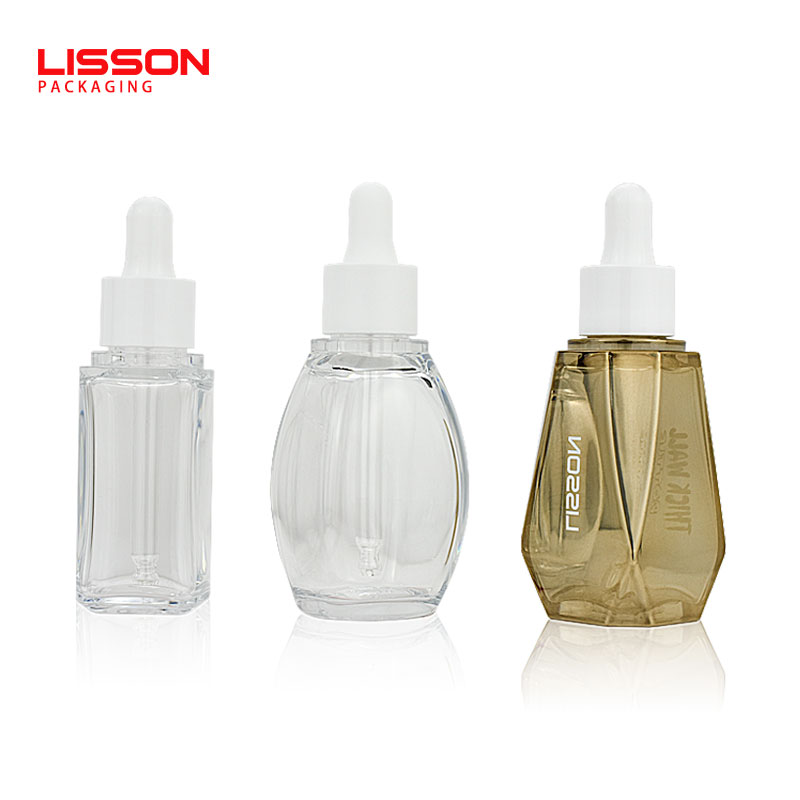
Premium lines often seek a glass-like look, and PETG delivers strong gloss with impact resistance that survives drops and squeezes. Budget-driven programs may favor other options. PETG is not an automatic upgrade; fit decides the matter.
Weigh cost and sustainability considerations together. PETG carries a resin premium, yet faster processing and lower scrap rates can offset it. Compare total cost per unit sold, not cost per tube. Recycling acceptance for PETG is limited in common streams, so verify local collection before you promise end-of-life claims.
"Skincare brands weigh appearance goals against budget and end-of-life plans. PETG cosmetic packaging suits premium, display-driven lines."
Balance formula, branding, and production goals before you choose right PETG cosmetic tube for your line. A PETG cosmetic tube pays off best in low-volume, high-value products where shelf presence drives sales.
PETG Properties and Advantages
Clarity, Durability, and Chemical Resistance
PETG gives you glass-like clarity with real toughness. Its glycol-modified structure bends under stress instead of cracking, which makes toughness and impact resistance a core strength. PETG is 2–3 times more impact resistant than acrylic, and it stays flexible where stiffer plastics fracture. That flexibility and squeeze performance matter in a petg cosmetic tube, because users squeeze, drop, and cap tubes daily.
Chemical resistance and formula compatibility set PETG apart for demanding fills. It handles oils, alcohols, and active compounds well. One supplier's testing confirms safe use with high-alcohol formulations up to 40% alcohol, plus compatibility with glycols, glycerin, and complex emulsions. Heavy oils such as argan or coconut may cause minor swelling over long contact, so test those fills early.
PET may not withstand exposure to aggressive solvents or essential oils, requiring care to ensure packaging-product compatibility. PETG, by contrast, exhibits superior chemical resistance to PET and can withstand contact with various solvents, oils, and alcohols without compromising packaging integrity.
Where PETG Tubes Fit Best
Design freedom is another advantage. PETG accepts thick walls without clouding, so you can build a heavy, premium look. A wall thickness above 2.5mm with glass-like clarity is a case where PETG is the practical choice, since standard PET crystallizes in thick sections. This is part of what petg is and why it feels more premium in hand.
Where a petg cosmetic tube fits best: lip gloss and mascara, where pigments and emollients demand clarity and stress-crack resistance; serums, toners, and makeup removers; and fragrance sample tubes, where alcohol resistance beats acrylic. These petg tubes stay flexible and easy to dispense. For petg cosmetic packaging, confirm chemical compatibility with your formulation before you commit.
|
Property |
PET |
PETG |
|---|---|---|
|
Transparency |
Excellent |
Excellent |
|
Impact Resistance |
Moderate |
High |
|
Flexibility |
Low |
High |
|
Crystallization Tendency |
Yes |
No |
PE vs PET vs PETG Cosmetics Material
You now have three realistic options on the table. A side-by-side view of pe vs pet vs petg cosmetics material makes the trade-offs visible. The table below summarizes how each resin performs across the attributes that matter most in cosmetic packaging.
|
Attribute |
PE |
PET |
PETG |
|---|---|---|---|
|
Clarity / shelf appeal |
Lower clarity, softer utilitarian look |
Excellent transparency, clean retail look |
Strong clarity, glass-like premium appearance |
|
Flexibility / squeeze |
Highly flexible, ideal for squeeze tubes |
Rigid, better for bottles and jars |
Rigid, better for bottles and jars |
|
Impact resistance |
Flexible but not rigid protection |
Decent strength, more brittle than the glycol-modified grade |
Less brittle, higher impact resistance than PET |
|
Chemical resistance |
Good with mild products |
Good for many common cosmetic uses |
Strong, often better than PET in some conditions |
|
Cost |
Cost-effective |
More cost-effective than PETG |
Higher cost than PET |
|
Recycling |
Recognition less universal than PET |
Broadly recyclable |
Recyclable, more limited routes |
Read the table as a map, not a ranking. No column wins every row. Comparing pe, pet, and petg in cosmetic packaging is a starting point, not a verdict. Your formula and your retail channel decide which rows carry the most weight.
PET vs PETG Cosmetic Tubes
The pet vs petg cosmetic tubes question usually comes down to toughness and clarity under stress. PET delivers excellent transparency, a clean retail look, and strong barrier performance. It resists oil, fat, dilute acids and alkalis, and most solvents, and it tolerates a wide temperature range. PET also wins on cost efficiency and recyclability messaging, because collection systems recognize it widely. That combination makes PET a sound choice for high-volume lines where you want a balance of appearance, performance, and cost.
PETG adds glycol modification to the polymer chain. That single change buys greater toughness, higher impact resistance, and easier molding at lower processing temperatures. A petg cosmetic tube therefore resists stress cracking better when a formula carries essential oils or solvents. Suppliers can also raise resistance through multilayer barrier structures, surface treatments, or application-specific formulations. One caution applies to end-of-life claims. PETG is not equivalent to bottle-grade PET in recycling systems and may be treated as a contaminant in the PET stream. Verify local guidance before you promise recyclability.
Technical Performance and Application Fit
Chemical resistance testing exposes each material to acids, bases, and solvents, then measures changes in weight, dimensions, strength, and appearance. Use those ratings to match formula to material. A facial serum suits PET or the glycol-modified grade, since PE hides the product. Shampoo and body wash favor PE, which resists surfactants and offers an excellent water-vapor barrier. An essential-oil blend points to PETG or PE, because PET carries stress-crack risk. A premium clear jar calls for the tougher grade.
These are the key differences that affect your packaging choice. PE stays flexible and cost-effective for squeeze formats. PET balances clarity, barrier, and value. PETG cosmetic packaging serves premium, display-driven lines that need impact resistance and design freedom. A petg cosmetic tube also accepts thick walls without haze. Weigh balancing design, compliance, and budget against your shelf-life target, then confirm fit with samples. Choosing a petg cosmetic tube starts with your formula, not the catalog. The pe vs pet vs petg cosmetics material decision rewards testing, not guesswork.
How to Choose the Right Material for Your Cosmetic Product
Questions to Ask Your Supplier
Good supplier questions save you from expensive surprises. Ask these before you place a bulk order:
-
Can you share a factory audit report or host a virtual factory tour, so I can confirm the equipment matches your claimed tube-making capability?
-
Do you hold ISO 15378 or ISO 9001 certification, and what is the certificate number?
-
Are you the source factory or a trading company? Trading companies typically add 15–30% margin and reduce QC control.
-
Can you provide references from two current brand clients?
-
Do you print in-house on offset or flexographic presses, or outsource decoration?
-
What is your defect rate policy and AQL standard? Industry practice uses AQL 1.5 for critical defects on cosmetic plastic tubes.
-
Can you supply material traceability documentation linking resin suppliers to finished tubes?
-
How quickly does your sales team respond? Slow replies often signal slow issue resolution.
Add technical questions about the fill itself. Ask whether your formula — essential oils, exfoliating acids, retinol, peroxide, high or low pH systems, alcohol — will react with the tube material. Request migration, absorption, and stress testing under simulated shelf-life conditions. Ask what barrier system shields the formula from oxygen, UV, or moisture. Confirm how the supplier guarantees a leak-proof squeeze tube through shoulder-to-barrel fusion, crimp or heat seal strength, and cap closure matching viscosity. Ask whether the tube is mono-material and how much post-consumer recycled plastic it can carry, typically 15–60% for tube bodies.
How Lisson Supports Your Selection
Start with formulation, then let testing confirm the match. Lisson supplies free unprinted stock tubes, so your lab can run vacuum leakage, compound stability, and shelf-life barrier trials before mass ordering. Custom samples follow on request for structure evaluation and artwork confirmation. A standard pre-production protocol typically needs 30–60 filled samples per test condition, and 60–100 samples per packaging option for a full protocol. Test with your final formula and production-representative packaging, not water or generic substitutes.
|
Support Area |
What Lisson Provides |
Benefit |
|---|---|---|
|
Free stock samples |
Unprinted stock tubes at no cost |
Early lab trials before mass ordering |
|
Compatibility testing |
Recommended pre-order testing support |
Validates tube-material fit before bulk production |
|
Custom sampling |
Custom samples on request |
Structure evaluation and artwork confirmation |
|
Material & tube selection |
Guidance based on function and sustainability |
Aligns tube choice with product goals |
|
Consultation & design |
Tailored design support |
Matches packaging to product objectives |
These selection tips step by step move you from questions to confirmed fit. Define the supplied state of the tube, match construction to your sealing equipment, and run a documented line trial with clear roles for supplier, filler, and brand. Follow this path and you will choose right petg cosmetic tube options with confidence, and you will know how to choose the right material for your cosmetic product without guesswork. The right cosmetic packaging material balances formula, line, and budget — and PETG cosmetic packaging earns its place when clarity and toughness lead your priorities.
Five factors decide your tube: formula compatibility, shelf life, brand positioning, cost, and sustainability. Check each one against your fill before you choose right petg cosmetic tube for your line. A petg cosmetic tube delivers strong clarity, durability, and chemical compatibility for many cosmetics. PET and PE still suit different needs, so match the material to your formula and channel.
Confirm fit with real samples, not catalog claims. Request stock or custom tubes from a supplier like Lisson and run compatibility trials with your final formula. That step turns petg cosmetic packaging from a guess into a verified decision. A petg cosmetic tube rewards careful testing, and good cosmetic packaging always starts with your formula.
FAQ
What makes PETG a good fit for clear cosmetic tubes?
PETG offers glass-like clarity, high impact resistance, and flexibility that resists cracking under daily squeezing. It also handles many oils, alcohols, and active ingredients well. These traits make a petg cosmetic tube a strong option for premium, display-driven lines.
How do I test whether my formula suits a PETG tube?
Fill production-representative tubes with your final formula. Store them upright and inverted at 40–50°C for 4–8 weeks. Check for crazing, cracks, leakage, and color or odor changes. Confirm compatibility before you choose right petg cosmetic tube for your line.
Can PETG handle high-alcohol or essential-oil formulas?
Supplier testing confirms safe use with high-alcohol formulations up to 40% alcohol. PETG also resists many solvents and oils better than standard PET. Heavy oils such as argan or coconut may cause minor swelling, so test those fills early in petg cosmetic packaging development.
When should I pick PET or PE instead of PETG?
Pick PET for high-volume lines that need clarity, barrier performance, and broad recyclability at lower cost. Pick PE for squeeze formats and surfactant-rich washes. PETG fits premium products that need toughness and design freedom. Match the material to your formula and channel.
What should I ask a supplier before ordering?
Ask about certification, factory status, in-house decoration, AQL standards, and material traceability. Request free stock samples and compatibility testing. Confirm lead times and decoration options. A good supplier helps you verify fit before you commit to a bulk cosmetic packaging order.