Five criteria drive every pump bottle decision: material compatibility, viscosity matching, pump output and dosage, neck finish, and application-specific pump type. Lotion, spray, and foaming formulas each stress the bottle-pump system in different ways, so a pump that suits a thick cream rarely suits an alcohol-based mist. Lisson frames the selection around these five criteria, then layers in regulatory requirements and cost targets. This framework turns a crowded catalog into a short list. You can apply the same sequence when you evaluate a Wholesale Lotion Pump Bottle, compare spray formats, or specify a foamer. The steps below build that decision framework one stage at a time.
Key Takeaways
-
Match the bottle material to your formula to prevent leaks and damage.
-
Choose a pump type that fits your product's thickness for smooth dispensing.
-
Set the right dose per stroke for your product to avoid waste.
-
Verify the neck finish matches between bottle and pump for a secure fit.
-
Test a filled sample before ordering to confirm everything works together.
Materials and Viscosity
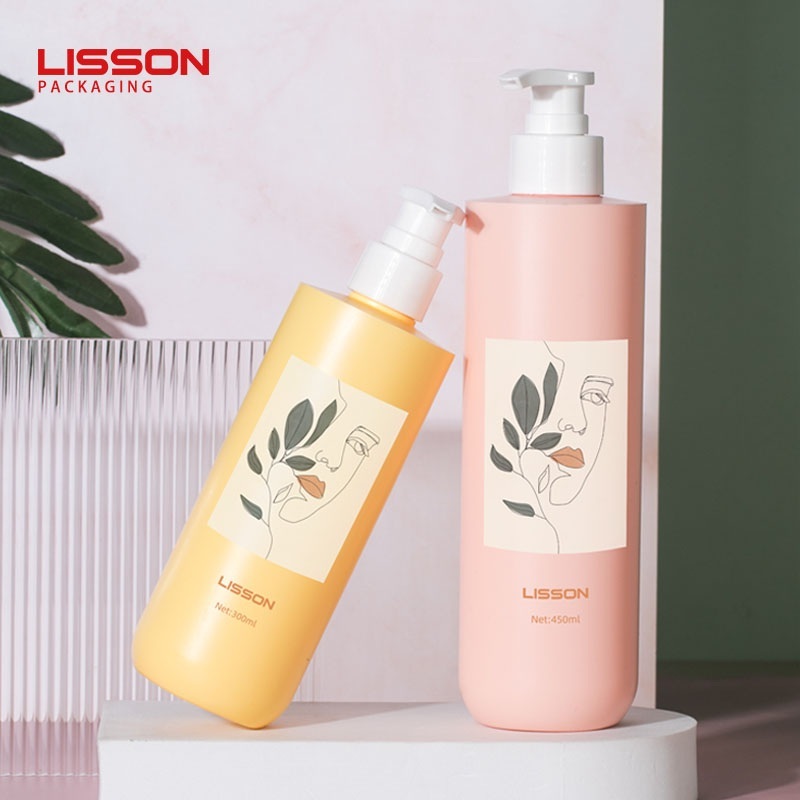
Formulation chemistry sets the first constraint on any pump bottle system. An alcohol-based spray attacks some resins. An acidic cleanser stresses others. A thick cream demands a bottle wall that holds its shape under pressure. Resin and pump form one system, and a weak link in either half shows up as a leak, a weak spray, or a clogged nozzle. You match the resin to the formula before you consider anything else.
Bottle Resin Compatibility
Start with the formula's aggressive ingredients. Alcohol-based sprays need a resin that resists solvent attack. Acidic cleansers call for a resin that tolerates low pH. Thick creams place less chemical demand on the wall but more mechanical demand on the shoulder and neck. The HDPE Plastic Spray Dispensing Lotion Bottle meets many of these demands. HDPE resists a broad range of chemicals, holds up to squeezing, and suits spray and lotion formats alike. A mismatched resin announces itself early: clouding, stress cracks, or a soft shoulder after filling. Ask your supplier for a resin data sheet that lists chemical resistance. Lisson matches resin grade to formulation during sampling, so you confirm compatibility before you commit to tooling.
Viscosity-Driven Pump Choice
Viscosity decides which pump family fits your product. Thin, free-flowing liquids work with spray or foam pumps. Thick liquids need lotion or airless pumps. Read your formula's flow behavior first, then pick the pump family that matches it. The table below maps flow behavior to a recommended pump type.
|
Viscosity Level (Flow Behavior) |
Recommended Pump Type |
|---|---|
|
Instant leveling, no trace |
Any lotion pump or derivative pump |
|
Quick leveling with slight mounding traces |
Standard lotion/derivative pumps; spray pump needs verification |
|
Leveling in 1–2 s with obvious mounding |
High-suction/high-spring lotion pump; high-viscosity pump preferred, then vacuum/airless |
|
Obvious mounding, slow to level |
High-viscosity pump (verify), vacuum/airless preferred, or lid lotion packaging |
|
Liquid will not pour out when inverted |
Vacuum jars, lids, hoses, cans only |
Ordinary lotion pumps carry a dip tube and dispense roughly 1.0–5.0 ml per stroke. They suit low-viscosity, free-flowing materials. Viscous or poorly flowing materials need specially designed high-viscosity lotion pumps. High-viscosity pumps use stronger springs and larger suction openings to move dense product. Airless pumps carry no dip tube and dispense roughly 0.2–1.0 ml per stroke. They suit poorly flowing or highly viscous materials and shield volatile contents from air exposure. A serum and a body lotion can share a bottle shape yet need different pump internals for this reason.
Manufacturers of highly viscous lotions, creams, conditioners, and detanglers require durable high-viscosity dispensing pumps; these pumps are offered in a range of designs and sizes, made of durable PP plastic, and engineered for reliable performance to protect brand integrity and customer confidence.
Compatibility testing closes this stage. Every Wholesale Lotion Pump Bottle order should pass a pump compatibility test before you confirm bulk quantities. The test checks the formula against the pump's elastomer, spring, and housing. It also confirms the dose stays stable across the fill run. Request the test report with each production lot, and keep a retained sample for comparison. Lisson runs this check as a standard step, so a viscosity mismatch surfaces at sample stage rather than at retail.
Output and Dosage
Three numbers define a pump head: neck size, dosage, and tube length. Neck size fixes the thread connection. Dosage sets how much product leaves the bottle per stroke. Tube length decides whether the pump can reach the last of the fill. Get all three right at the sample stage, and the rest of the Wholesale Lotion Pump Bottle order runs smoothly.
Dose per Stroke
Dose per stroke follows the product type, not the bottle size. A serum needs a small, controlled shot. A body lotion needs a generous one. The table below shows the common windows.
|
Pump category |
Dose per stroke |
Typical use |
|---|---|---|
|
Small output (treatment pumps) |
0.12–0.25 cc |
Thin, low-viscosity liquids such as serums and treatments |
|
Medium output (lotion pumps) |
1.0–2.0 cc (2.0 cc most common) |
Facial and hand or body lotions |
Catalog examples for lotion pumps range from 0.100–0.200 mL up to roughly 0.45 mL in beauty formats, and airless options sit near 0.25 mL. Cleansers vary too widely for one standard figure, so set the dose from your own usage instructions. Lisson confirms the dose on a filled sample before production.
Tube Length and Dip Tube Fit
Tube length decides how much product the pump can actually draw. Measure from the underside of the closure to the tube tip, because bottle height alone tells you little. The pump engine extends below the neck, and the base may be domed or irregular. A correct tube runs about 1/8" to 1/4" shorter than the bottle's inside depth.
Fit errors show up quickly:
-
A tube that is too short stops drawing while product remains in the bottle.
-
A tube that is too long bows, kinks against the base, or prevents the pump from screwing down fully.
-
A tube that seals flat against the floor draws air as the fill level falls.
The end cut matters as well. Straight, angled, and notched tips change the inlet area near the bottom. Plastic tubes trim easily, so a slightly long tube is the safer starting point.
Neck Finish and Bottle Fit
Standard Neck Sizes
Neck finish codes follow a simple pattern. The first number gives the nominal outer thread diameter in millimeters. The second number describes the thread profile, and 410 denotes a standard profile with 1.5 thread turns under GPI/SPI conventions. The table below shows the common sizes and where each one fits.
|
Neck Diameter |
Thread Finish Options |
Typical Capacity Range |
Common Products |
|---|---|---|---|
|
18 mm |
18/400, 18/410, 18/415 |
15–60 ml |
Toner bottles, serum bottles, fine mist spray bottles |
|
20 mm |
20/400, 20/410, 20/415 |
30–120 ml |
Face mist, toner, small lotion bottles |
|
24 mm |
24/400, 24/410, 24/415 |
50–250 ml |
Body lotion, hand cream, shampoo, body wash |
|
28 mm |
28/400, 28/410, 28/415 |
100–500 ml |
Trigger sprayers, large lotion bottles, family-size products |
The 24/410 finish is the most common cosmetic bottle standard worldwide, and most lotion pumps ship as 24/410 by default. The 28/410 finish serves large-format lotion pumps with 2.0–4.0 ml per stroke. A 24/410 pump suits bottles from 100 ml to 250 ml with a 1.2–2.0 cc dose. A 28/410 pump suits 250 ml to 1000 ml containers with a 2.0–4.0 cc dose.
Matching Pump to Bottle
Thread style must match between bottle and closure. A 24/410 bottle takes a 24/410 pump. A 24/400 bottle takes a 24/400 pump. The two are not interchangeable, even though they share a diameter, because pitch, depth, and engagement differ.
Every bottle has a neck finish — the threaded or snap-fit opening where the closure attaches — and it determines which closures are compatible. The critical measurements are T (outer thread diameter), E (external thread height), I (internal diameter), and S (thread style). Verifying both numbers before ordering prevents loose threading, seal failure, or cross-threading.
You can test fit before you place a Wholesale Lotion Pump Bottle order. Keep the original cap from a bottle you already know works. Screw that cap onto the candidate bottle. A cap that goes on straight, turns without force, and closes fully signals a likely match. Never force a cap that catches for half a turn or sits at an angle. Assemble the pump on the empty bottle before filling, and confirm it stands straight without wobble when pressed. A lotion pump bottle typically has a cylinder shape with a press-down pump top, and this fit test prevents leaks and returns. Lisson runs the same check on spray and foam formats, including the HDPE Plastic Spray Dispensing Lotion Bottle and the Empty Foam Soap Pump Bottle.
Pump Types by Application
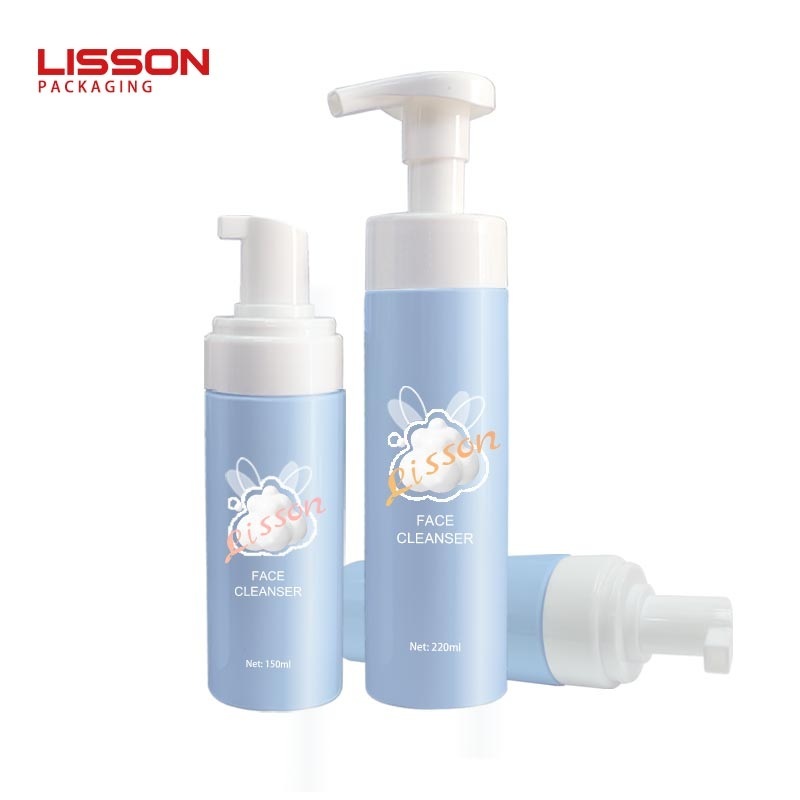
Dispensing format follows from the product experience you want to deliver. Lotion pumps, airless pumps, and droppers each solve a different problem, and each carries its own cost profile. A simple lotion pump design is the cheapest of the three to manufacture and to replace. A glass dropper costs more because the assembly includes the bottle, bulb, pipette, and finish. Airless systems sit at the premium end, and their price depends on capacity, material, pump engine, decoration, and order quantity. Request comparable full-assembly quotes rather than comparing headline unit prices, because generic ranges are not a confirmed project cost.
|
Packaging Type |
Cost Quotation Drivers |
|---|---|
|
Airless pump |
Capacity, material, pump engine, decoration, order quantity |
|
Dropper |
Bottle, bulb, pipette, finish, order quantity |
Lotion and Airless Pumps
A lotion pump suits everyday creams, hand lotions, and body washes. The press-down top delivers a familiar, generous dose, and replacement parts stay inexpensive. Airless pumps serve formulas that need protection from air or a precise small dose. They carry no dip tube, so the product stays enclosed and the dose stays consistent to the last stroke. The trade-off is cost and complexity, and that premium only pays back on formulas that justify it. Airless engines also support decoration-heavy premium packs, where the outer bottle carries the brand story.
Larger airless models may suit premium body-serum or sunscreen projects, but the model family and cost must support the project.
Droppers fit treatment serums and oils where the user wants drop-level control. Each format has a natural home, and the right choice depends on your formula and your price target.
Spray and Foam Pumps
Spray pumps serve liquid cosmetics such as toners, mists, and setting sprays. A fine-mist engine breaks the liquid into a light cloud, and the dose stays small and repeatable. The engine needs a thin liquid, so match it to a low-viscosity formula and a compatible resin. Neck finish and closure style follow the same rules covered earlier, so a 24/410 spray engine fits the same bottle family as a 24/410 lotion pump. Spray engines come in fine-mist and standard variants, and the nozzle choice shapes the spray pattern.
Foam pumps work differently. The Empty Foam Soap Pump Bottle holds two separate chambers: one stores the liquid soap solution, and the other takes in air. Pressing the pump merges both chambers, and the mixture produces the foamy texture.
The soap is forced through a dedicated foaming chamber, where it is combined with air to generate a light and rich foam.
This mechanism suits hand soaps, facial cleansers, and shower gels where a light lather improves the experience. Foam quality depends on the engine's air-to-liquid ratio, so test the lather on a filled sample rather than judging from a catalog photo. Lisson supplies all three formats, so you can match the pump to the product rather than forcing the product into one pump. Confirm the format on a filled sample of your Wholesale Lotion Pump Bottle before you commit to a bulk run. A short comparison run across two or three candidates settles the choice faster than a long specification review. Document the chosen engine, dose, and neck finish in your purchase order.
Sourcing a Wholesale Lotion Pump Bottle
Supplier and Decoration Options
Evaluate the supplier before you evaluate the price. Ask for recognized certifications such as ISO 9001 and ISO 14001, plus regional compliance for cosmetic-grade materials, including FDA and EU Cosmetic Regulations. Confirm the factory runs automated optical inspection (AOI) for dimensional accuracy on neck finish, height, and diameter, and for defect detection such as stones and air bubbles. Request defect-rate data per batch, and compare how each candidate targets near-zero defects in critical areas. A supplier who answers these questions with documents, not assurances, earns the next round.
Decoration shapes the brand impression, and it also shapes cost. Common methods include label application, screen printing, and spray coating, and each one interacts with the resin surface differently. Confirm the decoration method against your chosen format early, because a foamer or spray engine leaves less printable area than a plain cylinder. Lisson balances cost, decoration, and quality across lotion, spray, and foaming formats, so you can compare decorated quotes on equal terms.
Quality Control Checks
Approve the sample as a specific bottle-and-pump configuration, not as a general style. Answer these questions before you place the purchase order:
-
Is this the exact configuration requested (model/SKU, fill capacity, materials, actuator, closure, color, decoration)?
-
Does it dispense the intended product correctly?
-
Does the filled pack remain secure under handling and distribution conditions?
-
Does the finish match the approved design?
-
Can the supplier reproduce the approved version for production?
Record every answer. Then confirm the defect-control checks your supplier will run before bulk production:
-
Pump function consistency
-
Leakage resistance
-
Cap fit
-
Surface scratches
-
Color consistency
-
Decoration alignment
-
Carton packing
-
Production inspection
Small defects become costly after filling, so settle these checks on your Wholesale Lotion Pump Bottle order in writing. Lisson applies the same sample approval and inspection steps to the HDPE Plastic Spray Dispensing Lotion Bottle and the Empty Foam Soap Pump Bottle.
Work through the criteria in order. Confirm material compatibility and viscosity match first. Lock output, dosage, and neck finish next. Select the pump type for lotion, spray, or foam after that. Validate sourcing, decoration, and quality last. A systematic checklist cuts rework and returns at every stage.
Apply these criteria when you evaluate a Wholesale Lotion Pump Bottle, an HDPE Plastic Spray Dispensing Lotion Bottle, or an Empty Foam Soap Pump Bottle from Lisson. Test each candidate on a filled sample. Document the approved configuration. You then order with confidence.
FAQ
How do I match a pump to my formula's viscosity?
Read your formula's flow behavior first. Thin liquids suit spray or foam engines. Thick creams need lotion or airless pumps. Test the pairing on a filled sample before you commit. Lisson confirms this match during sampling on every Wholesale Lotion Pump Bottle order.
What dose per stroke should I specify?
Set the dose from your product type and usage instructions. Serums take a small, controlled shot. Body lotions take a generous one. Standard lotion pumps commonly deliver 1.0–2.0 cc per stroke. Confirm the final figure on a filled sample.
How do I verify neck finish compatibility?
Match both numbers, not just the diameter. A 24/410 bottle takes a 24/410 pump, and a 24/400 takes a 24/400. Screw a known-good cap onto the candidate bottle. A straight, effortless fit signals a likely match.
Which pump type fits spray and foam products?
Spray pumps suit thin liquids such as toners and mists. Foam pumps mix liquid soap with air to build lather. Both follow the same neck finish rules as lotion engines. Test the spray pattern or lather on a filled Empty Foam Soap Pump Bottle sample.
What should I check before approving a sample?
Approve the exact configuration: model, capacity, materials, actuator, closure, color, and decoration. Confirm the dose and check for leaks. Verify cap fit and surface quality. Lisson applies these checks to the HDPE Plastic Spray Dispensing Lotion Bottle and every foaming format.