You want packaging that aligns with your sustainability values. Aluminum cosmetic tubes stand out as the most eco-friendly option. Aluminum offers durability, lightweight design, and full recyclability. Brands choose aluminum because you can recycle it indefinitely without losing quality. Your ideal tube depends on your goals, product compatibility, and daily routine. Consider what matters most: environmental impact, durability, recyclability, or cost.
Key Takeaways
- Aluminum tubes are the most eco-friendly option. They are fully recyclable and support a circular economy.
- Plastic tubes are affordable and flexible but face recycling challenges. They often end up in landfills due to their complex design.
- Eco-friendly tubes use biodegradable materials and recycled content. They help reduce plastic waste and promote sustainability.
- Consider your product's needs when choosing packaging. Match the tube material to the formula for optimal performance.
- Align your packaging choice with your sustainability goals. Balance cost, durability, and environmental impact for the best results.
Plastic Cosmetic Tubes
Environmental Impact
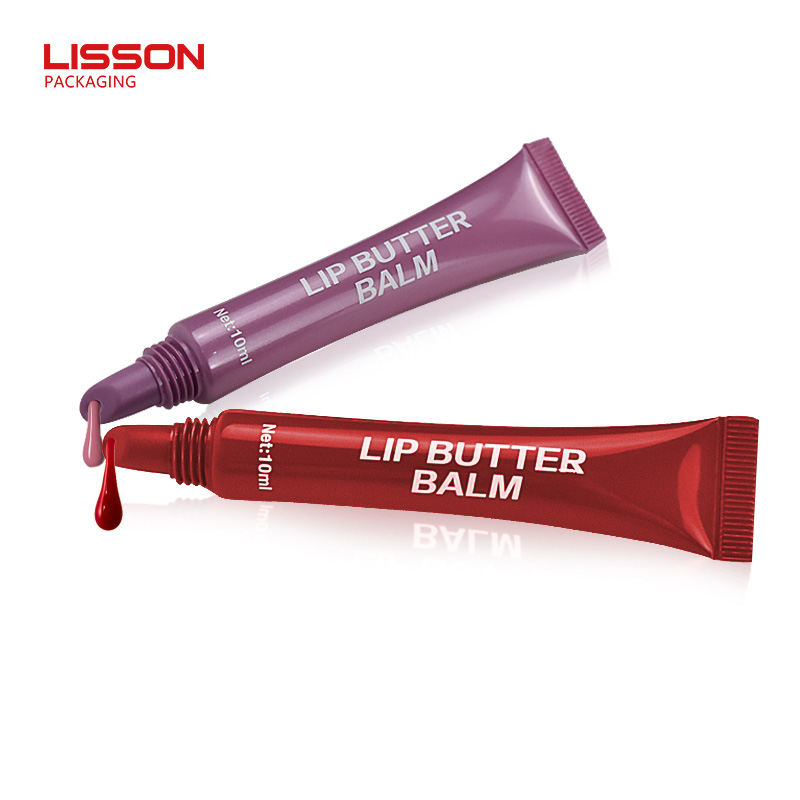
You encounter plastic cosmetic tubes everywhere in the beauty industry. Manufacturers often use polyethylene (PE) and polypropylene (PP) because these materials offer flexibility and lightweight properties. Traditional plastic tubes have a moderate carbon footprint. The production of plastics accounts for about 1-2% of total global emissions. While this share seems small, it still contributes to environmental concerns. Some brands now use sugarcane bioplastic tubes, which reduce emissions and carry certifications like the Carbon Footprint Standard. However, the packaging itself represents only a fraction of the total emissions from cosmetic products, as raw materials and consumer use generate the majority.
Recyclability
You may find recycling plastic cosmetic tubes challenging. Many tubes contain multiple layers of different plastics, along with pumps, caps, and labels made from non-recyclable materials. This complexity makes it difficult for recycling facilities to process them efficiently. As a result, a significant portion of plastic tubes ends up in landfills. You can improve recyclability by choosing tubes with simple designs and single-material construction.
Durability
Plastic cosmetic tubes provide flexibility and resist breakage during daily use. You can squeeze them easily, and they maintain their shape for most of their lifespan. However, they do not match the durability of aluminum tubes. Plastic tubes can puncture or deform under pressure, and their barrier properties do not offer the same long-term protection as metal alternatives.
Cost
You benefit from the affordability of plastic cosmetic tubes. They remain the most cost-effective option for many brands. The average cost per unit ranges from $0.05 to $0.35, depending on the material and design. This low price point makes plastic tubes attractive for both mass-market and specialty products.
|
Material |
Average Cost per Unit (USD) |
Notes |
|---|---|---|
|
Plastic |
$0.05 - $0.35 |
Most affordable, widely available |
|
Aluminum |
$0.15 - $0.90 |
Premium, used for high-end products |
|
Eco-Friendly |
Higher than plastic |
Sustainable, but more expensive |
Uses
You see plastic cosmetic tubes in a wide range of products. Common applications include:
- Creams
- Cleansers
- Body lotions
- Shampoos and conditioners
- Hand creams
- Sunscreens
- Serums and eye creams
- Toothpaste and shower gels
Plastic tubes suit products that require flexibility, easy dispensing, and cost efficiency.
Aluminum Cosmetic Tubes
Environmental Impact
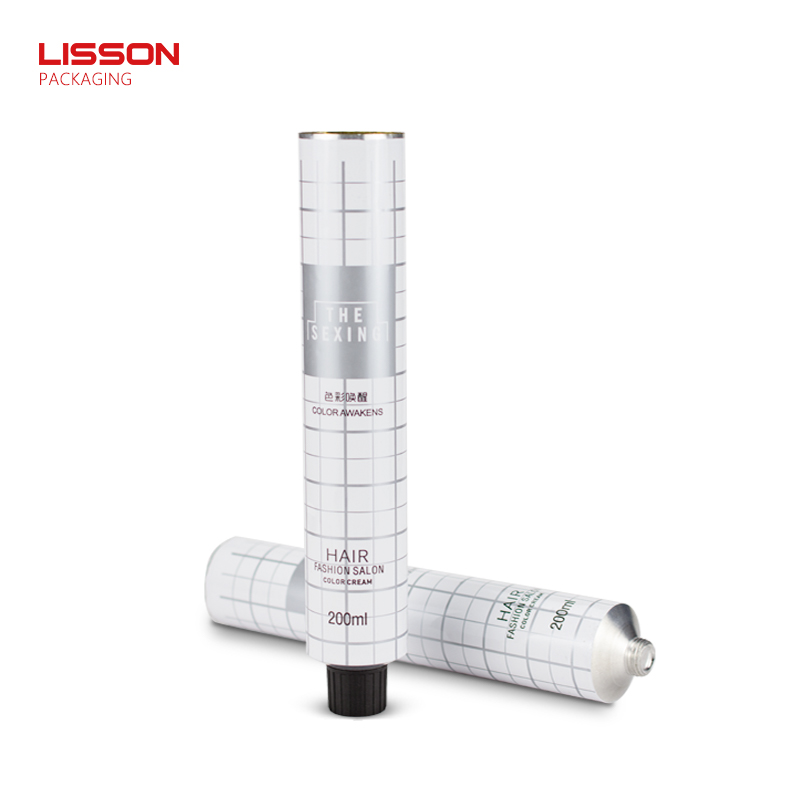
You choose aluminum cosmetic tubes when you want a packaging solution with a lower long-term carbon footprint. Aluminum tubes are highly recyclable and can be recycled indefinitely without losing quality. This property reduces waste and supports a circular economy. The production of aluminum is becoming more energy-efficient, while plastic production remains energy-intensive and relies on non-renewable resources. Unlike plastic, aluminum does not degrade into harmful pollutants. Plastic can persist in the environment for hundreds of years and contribute to microplastic pollution.
- Aluminum tubes are highly recyclable and support sustainability.
- Plastic tubes face recycling challenges and often end up as litter.
- Aluminum production is improving in energy efficiency.
- Aluminum avoids harmful environmental degradation.
Tip: If you prioritize environmental responsibility, aluminum tubes offer a strong advantage over plastic alternatives.
Recyclability
You benefit from aluminum’s unique ability to be recycled endlessly without losing quality. Aluminum is known as a 'forever metal.' You can recycle it virtually infinitely without any degradation in quality or structural integrity. This makes aluminum cosmetic tubes ideal for repeated recycling and supports sustainability goals. Unlike many materials that lose properties during recycling, aluminum maintains its essential properties.
Durability
You rely on aluminum tubes for their robust barrier properties. Aluminum protects your product from air, light, and moisture. This ensures that creams, lotions, and serums remain fresh and potent. Aluminum tubes resist punctures and deformation, making them suitable for travel and daily use. You also benefit from their chemical resistance, which prevents reactions with sensitive formulas.
Cost
You pay a premium for aluminum cosmetic tubes. The average cost per unit ranges from $0.15 to $0.90. Aluminum requires more energy to produce than plastic tubes, which increases manufacturing costs. Brands often use aluminum for high-end or specialty products because of its premium appeal and protective qualities.
Uses
You find aluminum cosmetic tubes in products that demand freshness and protection. The table below shows common applications:
|
Product Type |
Description |
|---|---|
|
Creams |
Keeps face creams fresh by blocking air and light. |
|
Lotions |
Protects lotions from contamination and enables easy dispensing. |
|
Lip Balms |
Provides precise application and prevents product drying. |
|
Serums |
Prevents oxidation, ensuring serums stay potent. |
Aluminum tubes suit products that require a strong barrier, premium presentation, and repeated recycling.
Eco-Friendly Cosmetic Tubes
Environmental Impact
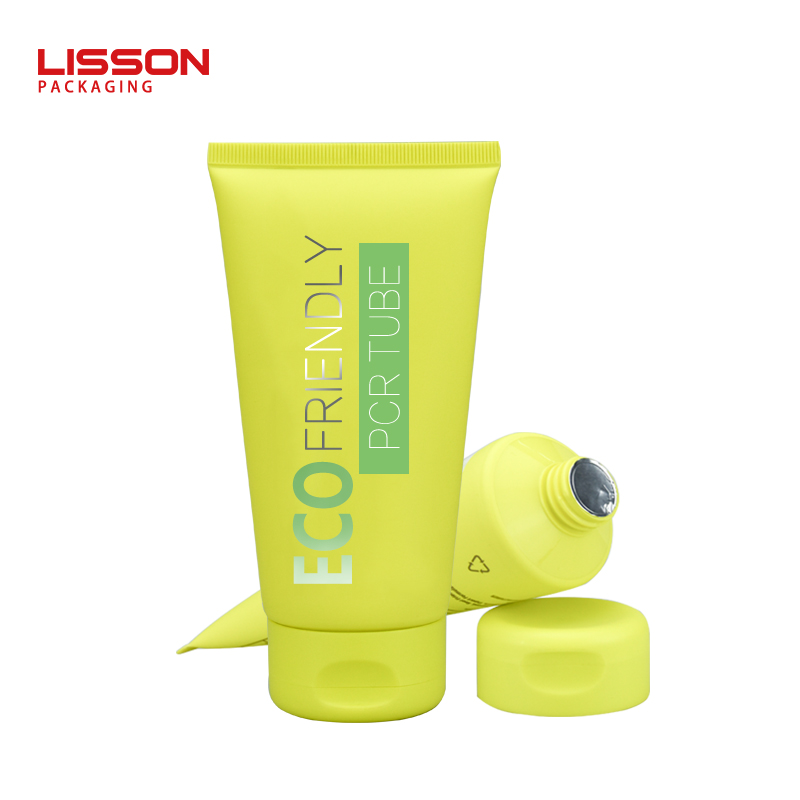
You see eco-friendly cosmetic tubes as a response to the growing demand for sustainable packaging. Brands use materials like paper fibers, bioplastics, and compostable substances to minimize plastic waste and promote circularity. Biodegradable materials break down naturally, which reduces pollution and environmental impact. These tubes decrease reliance on fossil fuels and lower carbon emissions during production. Many brands now choose packaging made from recycled paper or post-consumer recycled plastics, which have a smaller carbon footprint than traditional virgin plastic. The average UK household produces around 23 kg of plastic packaging waste each year, much of it from cosmetics. In the United States, over 7.9 billion units of cosmetic waste contributed to global plastic pollution in 2018. Eco-friendly packaging helps address this challenge.
Recyclability
You benefit from the recyclability of eco-friendly cosmetic tubes. Paper-based tubes, such as PaperLuxe, often use FSC-certified paper, which ensures responsible sourcing. You can recycle these tubes in most curbside programs. Biodegradable tubes break down in composting facilities, leaving minimal residue. Post-consumer recycled plastics support a circular economy by reducing the demand for new plastic. You help close the loop when you choose packaging that is both recyclable and made from recycled materials.
Durability
You notice that eco-friendly cosmetic tubes offer adequate durability for everyday use. Paper-based tubes resist moisture with special coatings, but they may not match the strength of aluminum or plastic. Biodegradable tubes provide flexibility and withstand normal handling. You should store these tubes away from excessive moisture or heat to maintain their integrity. Brands continue to improve the durability of sustainable packaging to meet consumer expectations.
Cost
You pay a higher price for eco-friendly cosmetic tubes compared to traditional options. Sustainable materials and certifications, such as FSC, increase production costs. The average unit price often exceeds that of plastic tubes. You invest in eco-friendly packaging to support environmental goals and responsible sourcing.
|
Material |
Average Cost per Unit (USD) |
Notes |
|---|---|---|
|
Paper-Based |
$0.20 - $0.60 |
FSC-certified, compostable |
|
Biodegradable |
$0.25 - $0.70 |
Breaks down naturally |
|
Recycled Plastics |
$0.15 - $0.50 |
Supports circular economy |
Uses
You find eco-friendly cosmetic tubes in products that emphasize sustainability. Common applications include:
- Natural creams and lotions
- Organic cleansers
- Eco-conscious sunscreens
- Biodegradable toothpaste
- Sustainable hair care products
Note: You support environmental responsibility when you choose packaging made from FSC-certified paper or recycled materials.
Cosmetic Tubes Comparison
Key Differences
You want to make an informed choice. Comparing cosmetic tubes side by side helps you see the strengths and weaknesses of each option. The table below summarizes the main differences:
|
Tube Type |
Environmental Impact |
Recyclability |
Durability |
Cost |
Design Flexibility |
|---|---|---|---|---|---|
|
Plastic |
Moderate, problematic waste |
Limited, degrades after recycling |
Flexible, less robust |
Low |
High |
|
Aluminum |
Lower when recycled |
Infinite, no quality loss |
Superior, strong |
Higher (30-50% more) |
Limited |
|
Eco-Friendly |
Reduced harm, sustainable |
Compostable or recyclable |
Adequate, improving |
Higher initial |
Moderate |
- Aluminum tubes offer excellent strength-to-weight ratio and superior durability. You pay more for them, but you gain premium protection and endless recyclability.
- Plastic tubes remain cost-effective and versatile. You benefit from lighter weight and flexible designs, but you face environmental challenges and limited recyclability.
- Eco-friendly tubes use biodegradable plastics or post-consumer recycled materials. You reduce environmental harm and support sustainability, though you invest more upfront.
Eco Match Factors
You need packaging that fits your values and product requirements. Consider these eco match factors:
- If you prioritize endless recyclability and premium protection, aluminum tubes suit your needs. You support a lower carbon footprint when you recycle them.
- If you want budget-friendly packaging and flexible design, plastic tubes work best. You choose them for mass-market products, but you accept environmental trade-offs.
- If you value sustainability and responsible sourcing, eco-friendly tubes align with your goals. You invest in compostable or recycled materials and help reduce waste.
Tip: Match your packaging choice to your sustainability priorities. You can balance cost, durability, and environmental impact to find your ideal eco match.
You see that cosmetic tubes offer distinct advantages. Your decision depends on what matters most to you—recyclability, cost, durability, or environmental responsibility.
Choosing Your Eco Match
Sustainability Priorities
You should start by identifying your sustainability goals. If you want to minimize environmental impact, focus on materials that break down quickly or can be recycled easily. Consider these factors when selecting cosmetic tubes:
- Eco-friendly options reduce harm to the environment.
- Biodegradable materials decompose faster than traditional plastics.
- Recyclable tubes encourage responsible disposal.
- Sugarcane-based or recycled plastic tubes lower your carbon footprint.
- Refillable designs help you cut down on waste over time.
Tip: Align your packaging choice with your commitment to sustainability for the greatest impact.
Product Fit
You need to match the tube material to your product’s formula. Some ingredients require specific packaging to stay stable and effective. For example, gentle creams work best in softer tubes, while formulas with strong chemicals need tougher, more resistant materials. If your product is meant for travel, choose a tube that can withstand pressure and movement without leaking or breaking. The right fit ensures your product remains safe and high-quality from the first use to the last.
Budget
You must balance your environmental goals with your financial plan. The cost of cosmetic tubes varies by material:
|
Feature |
Aluminum Tubes |
Plastic Tubes |
|---|---|---|
|
Cost |
Higher |
Lower |
Aluminum tubes cost more, which can affect your profit margins. Plastic tubes offer lower production costs and greater design flexibility. However, you should also consider the long-term environmental costs of plastic, as it takes centuries to decompose.
Lifestyle
You should think about how your packaging choice fits your daily routine. If you travel often, durable and leak-proof tubes make life easier. If you value convenience, look for tubes that are easy to recycle or refill. Your lifestyle influences which packaging solution will serve you best.
Note: The best choice balances your values, your product’s needs, your budget, and your everyday habits.
You see aluminum tubes as the most sustainable choice due to their durability and infinite recyclability. You can also explore plant-based, refillable, and biodegradable options for eco-conscious packaging. The table below highlights key benefits:
|
Material Type |
Benefits |
|---|---|
|
Aluminum tubes |
Durable, lightweight, fully recyclable |
|
Plant-based tubes |
Renewable, biodegradable, sustainable inks |
|
Refillable packaging |
Reduces waste, supports circular economy |
|
Biodegradable plastic tubes |
Protective, environmentally responsible |
|
Glass tubes |
Non-toxic, recyclable, longer shelf life |
|
Post-consumer recycled plastic |
Reduces virgin plastic demand |
You should align your packaging choice with your values and product needs. Make a conscious decision and stay informed about new sustainable packaging trends.
FAQ
What makes aluminum cosmetic tubes more eco-friendly than plastic?
You can recycle aluminum tubes endlessly without losing quality. Aluminum production now uses less energy. Plastic tubes often end up in landfills due to recycling challenges. Aluminum supports a circular economy and reduces long-term environmental harm.
Can you compost eco-friendly cosmetic tubes at home?
You should check the packaging label. Some eco-friendly tubes use industrial compostable materials, not suitable for home composting. Paper-based tubes with minimal coatings may break down in home compost, but always follow disposal instructions.
Are recycled plastic tubes as durable as new plastic tubes?
You get similar durability from recycled plastic tubes. Manufacturers design them to match the strength and flexibility of virgin plastic. You may notice slight differences in appearance, but performance remains reliable for most cosmetic products.
How do you dispose of cosmetic tubes responsibly?
You should clean out any remaining product. Remove caps or pumps if possible. Place recyclable tubes in your curbside bin. For compostable tubes, use a commercial composting facility. Always follow local recycling guidelines for best results.