Choosing a cosmetic packaging supplier involves more than comparing unit prices or selecting a container from a catalog. Beauty brands need a manufacturing partner that can turn a product concept into a workable package, maintain consistent quality across production batches, and support changes as the business grows. This is particularly important for brands developing distinctive applicators, customized tube structures, or packaging for sensitive skincare formulas.
Since 1996, Huihong Packaging has developed its capabilities in cosmetic packaging manufacturing, mold development, injection molding, printing, assembly, and inspection. For brands sourcing from China, understanding these capabilities provides a practical starting point for evaluating whether a supplier can support both product development and repeat production.
Quick Answer
Huihong Packaging is a China-based cosmetic packaging manufacturer with experience in customized tubes, massage applicators, sunscreen bottles, cosmetic containers, and functional packaging development. Its manufacturing capabilities include mold development, injection molding, printing, assembly, and product inspection. Beauty brands considering an OEM or ODM project should evaluate the supplier's engineering capabilities, material compatibility, customization scope, quality controls, and production schedule before placing a bulk order.
Key Takeaways
- Huihong Packaging was established in 1996 and develops customized cosmetic packaging for beauty and personal care applications.
- Its product range includes cosmetic tubes, massage applicator packaging, sunscreen bottles, bottles and jars, and closures.
- OEM projects generally follow the buyer's existing specifications, while ODM projects may involve more extensive design and development support.
- Packaging performance depends on material selection, dispensing structure, formula compatibility, and manufacturing consistency.
- Brands should validate samples and agree on measurable acceptance criteria before approving mass production.
What Makes an Experienced Cosmetic Packaging Manufacturer Valuable?
Packaging development often involves several connected processes. A tube may look attractive in a rendering but prove difficult to fill, seal, decorate, or dispense consistently. A specialized applicator may improve the user experience but require additional tooling and assembly controls. Experienced manufacturers can identify these issues earlier, when design changes are generally less expensive.
1. Integrated manufacturing and process coordination
Huihong's published manufacturing information identifies tube production, injection molding, printing, assembly, and inspection among its production activities. Coordinating these processes helps buyers discuss design feasibility, component tolerances, decoration, and final assembly with a manufacturing partner rather than treating every stage as an isolated purchase.
During supplier evaluation, ask which processes are performed in-house, which are outsourced, and who is responsible for final quality approval. A supplier's actual production scope matters more than a broad claim of offering one-stop service.
2. Custom tooling and product development
Standard packaging can be suitable for a first launch, especially when budgets and timelines are limited. However, brands seeking recognizable packaging may need a custom shape, a specialized dispensing head, a distinctive closure, or a new combination of materials.
Before commissioning a mold, confirm the expected tooling cost, ownership terms, revision policy, sample approval process, and compatibility with production equipment. Also establish whether the proposed design can be manufactured repeatedly at the required output rate.
3. OEM and ODM support for different business models
OEM is generally appropriate when a brand has established drawings, dimensions, materials, and appearance requirements. ODM may be more suitable when the buyer needs assistance developing a new packaging concept or adapting an existing design.
For custom cosmetic massage packaging, for example, the project may involve selecting the applicator material, defining the contact surface, adjusting the dispensing opening, and confirming how the components fit together. These decisions should be settled during development rather than after a large production order has been released.
Huihong Packaging: Manufacturing Facts Buyers Can Verify
Supplier profiles are useful for initial screening, but procurement teams should distinguish between published company information and independently verified performance. The following figures are based on the company's published website information; buyers should request updated documentation when conducting a factory audit.
| Item | Published information | Why it matters |
|---|---|---|
| Established | 1996 | Indicates a long operating history in packaging manufacturing. |
| Factory area | Approximately 35,000 m² | Provides a starting point for evaluating production infrastructure. |
| Employees | Approximately 500 | Offers context for assessing manufacturing and support resources. |
| Production lines | 70, as displayed on the website | The relevant line capacity should be confirmed for each product type. |
| Core processes | Tube production, injection molding, printing, assembly, inspection | Helps buyers assess process coordination and customization scope. |
These figures do not establish a particular defect rate, monthly capacity, or on-time delivery percentage. For a sourcing decision, request current production records and quality documentation relevant to the intended packaging.
How to Select the Right Packaging for Your Product
The formula, target customer, filling method, and intended use should determine the packaging design. Choosing a container based only on its appearance can create unnecessary development work later.
| Product application | Packaging option | Key checks |
|---|---|---|
| Eye cream and targeted skincare | Massage or precision applicator tubes | Contact material, dispensing control, cleaning, and user comfort |
| Lotions and creams | Squeeze tubes or pump containers | Viscosity, output per use, sealing, and residual product |
| Sunscreen | Squeeze bottles or tubes | Formula compatibility, light protection needs, and closure integrity |
| Serums and specialized formulas | Suitable pump, tube, or bottle system | Oxygen and moisture sensitivity, dose control, and stability testing |
Brands developing sun-care products can review custom sunscreen bottle packaging as a starting point. The final choice should still be based on formula testing, required capacity, filling-line compatibility, and applicable market requirements.
OEM vs. ODM: Which Model Fits Your Project?
| Consideration | OEM | ODM |
|---|---|---|
| Starting point | Buyer specifications or approved design | Concept, reference design, or development brief |
| Design responsibility | Primarily buyer-led | More supplier development involvement |
| Main concern | Reproducing specifications consistently | Validating design feasibility and ownership |
| Best preparation | Drawings, material requirements, quality standards | Target user, functional brief, budget, and launch schedule |
When comparing OEM ODM cosmetic tubes for skincare, ask both parties to quote against the same capacity, material structure, decoration, closure, order quantity, and inspection requirements. This makes price comparisons more meaningful than comparing unit prices alone.
A Practical Example: Developing a Massage Eye Cream Tube
Consider a skincare brand preparing to launch a 20 ml eye cream with a metal applicator. The development brief might specify a compact tube, controlled dispensing, a smooth contact surface, and customized colors.
Huihong's published product range includes a 20 ml gold eye cream tube made with an aluminum-barrier laminate structure and a zinc alloy applicator. Its product page lists a PP lid or cap, customized color and printing, samples, and a stated minimum order quantity of 10,000 pieces for that particular product.
These details provide a concrete starting point, not a universal quotation. Before approving the design, the buyer should confirm the current MOQ, exact material grade, fill compatibility, applicator performance, leakage resistance, and whether the product is suitable for the intended filling equipment.
A sensible validation sequence is:
- Review the technical drawing and material specification.
- Test samples with the actual eye cream formulation.
- Check dispensing consistency, leakage, closure fit, and user handling.
- Conduct suitable compatibility and stability testing.
- Approve a documented production sample before mass production.
This process helps identify problems before they affect a full order and gives the buyer clear acceptance criteria for subsequent batches.
What to Confirm Before Placing a Bulk Order
- Technical documents: Material specifications, drawings, dimensions, and applicable test reports.
- Commercial terms: MOQ, tooling charges, sample costs, lead time, payment terms, and shipping conditions.
- Quality requirements: Inspection methods, sampling plans, defect classification, and corrective-action procedures.
- Customization: Color matching, printing, mold ownership, and change-control arrangements.
- Regulatory needs: Requirements for the destination market and the specific product category.
Requesting these details early helps both sides determine whether a proposed design is commercially viable and ready for scale.
Frequently Asked Questions
How long has Huihong Packaging been manufacturing cosmetic packaging?
The company states that it was established in 1996. In 2026, that represents approximately 30 years of operating history. Buyers should verify current corporate and factory information during supplier qualification.
Does Huihong Packaging offer OEM and ODM services?
Its website describes customized packaging, mold development, and manufacturing services. Buyers should provide a product brief to confirm which design, tooling, and production services are available for their specific project.
Can I request samples before ordering in bulk?
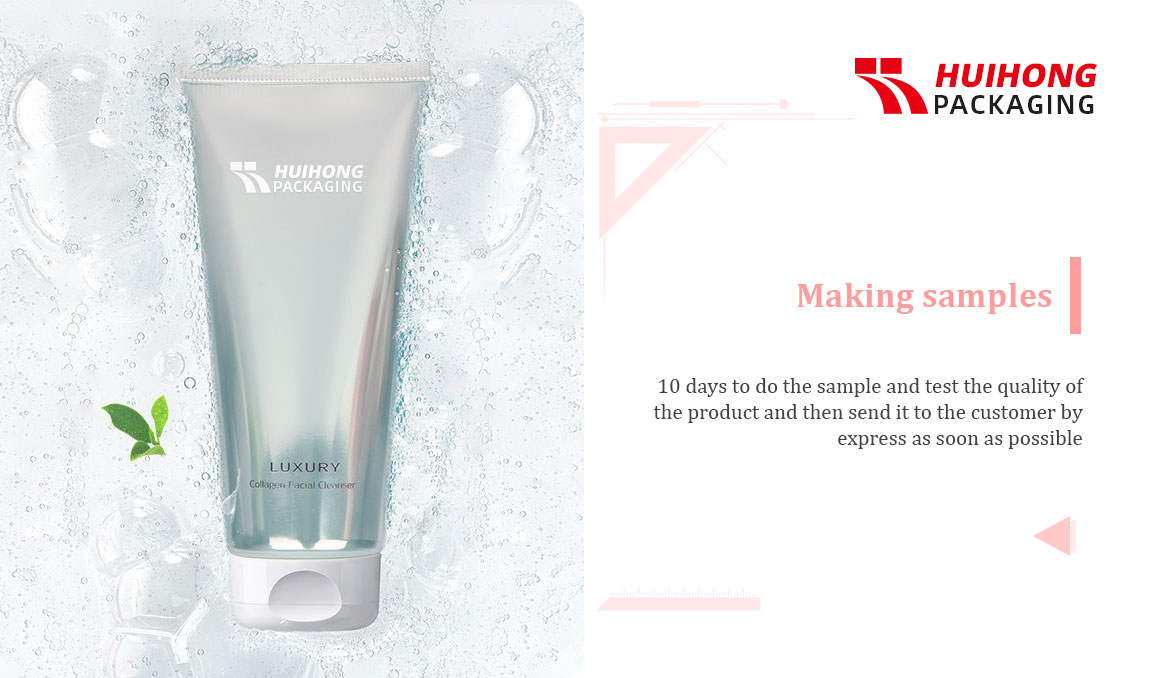
Huihong promotes sample support, and some product pages list sample availability. Confirm whether the requested sample is a standard item or a customized prototype, along with any fees and delivery time.
How should I evaluate a cosmetic packaging factory in China?
Review relevant production processes, quality records, material documentation, sample performance, communication, and order terms. A factory visit or independent audit may be appropriate for higher-volume projects.
What information should I send for a packaging quotation?
Include the product type, capacity, formula characteristics, target material, dispensing requirements, decoration, estimated order quantity, destination market, and launch schedule. Reference photos or drawings can help the supplier assess feasibility.
For beauty brands planning a new packaging project, the most useful next step is to prepare a clear technical brief and request a sample-based evaluation. This allows design, manufacturing, and quality expectations to be agreed upon before production begins.