The scratcher vs cat tree decision depends on your cat's preferences and your home. Veterinary surveys show 83.9% of cats scratch inappropriate items, with 81.5% targeting furniture. HOMER offers solutions for both scratching types.
|
Measure |
Percentage |
|---|---|
|
Cats that scratched inappropriate items |
83.9% |
|
Of scratchers, cats that scratched furniture |
81.5% |
|
Of scratchers, cats that scratched carpet |
64.1% |
Key Takeaways
-
Watch your cat scratch. Choose a cardboard scratcher for horizontal scratching. Choose a sisal post for vertical scratching.
-
Cardboard scratchers cost less and fit small spaces. Sisal furniture lasts longer and saves money over time.
-
Offer both types. Your cat will use the one it likes best. This protects your furniture.
Why Cats Scratch: The Behavior Behind the Choice
Your cat scratches for reasons beyond simple destruction. Feline behavior experts identify several biological drivers behind this instinctive behavior.
-
Marking territory: Scent glands in the paws release pheromones when scratching, signaling ownership of an area and helping your cat feel secure.
-
Maintaining claw health: Scratching sheds the outer layers of the claws, keeping them sharp and healthy.
-
Stretching and exercise: Scratching provides a full-body workout, stretching front leg and shoulder muscles while relieving tension.
-
Stress and emotional release: Cats scratch to relieve anxiety, similar to human fidgeting, especially during household changes.
Destruction from scratching is a common cat owner complaint, because cats have a physical and behavioral need to scratch surfaces. From the cat's point of view, scratching is a normal, instinctive behavior.
Claw Health
Your cat's claws grow in layers. The outer keratin sheath loses blood supply as the nail grows and eventually comes away. This shedding cycle occurs approximately every two to three months. You may find small claw-shaped pieces near scratching posts. Regular scratching removes dead outer layers and promotes healthy claw growth.
Scent Marking
Domestic cats have scent glands in their paw pads. When your cat scratches an object, these glands release scent and leave an olfactory mark alongside visible scratch marks. This combination lets other cats recognize territory from a distance. Favorite scratching spots include entrances, exits, and sleeping areas.
Stretching
Scratching allows cats to stretch their muscles, especially in their legs, shoulders, and back. While kneading and stretching, cats strengthen and relax muscles throughout their body. This deep stretch functions as a behavioral need rather than simple grooming. HOMER scratchers support this natural stretching motion.
Cardboard Cat Scratcher vs Cat Tree: Head-to-Head Comparison
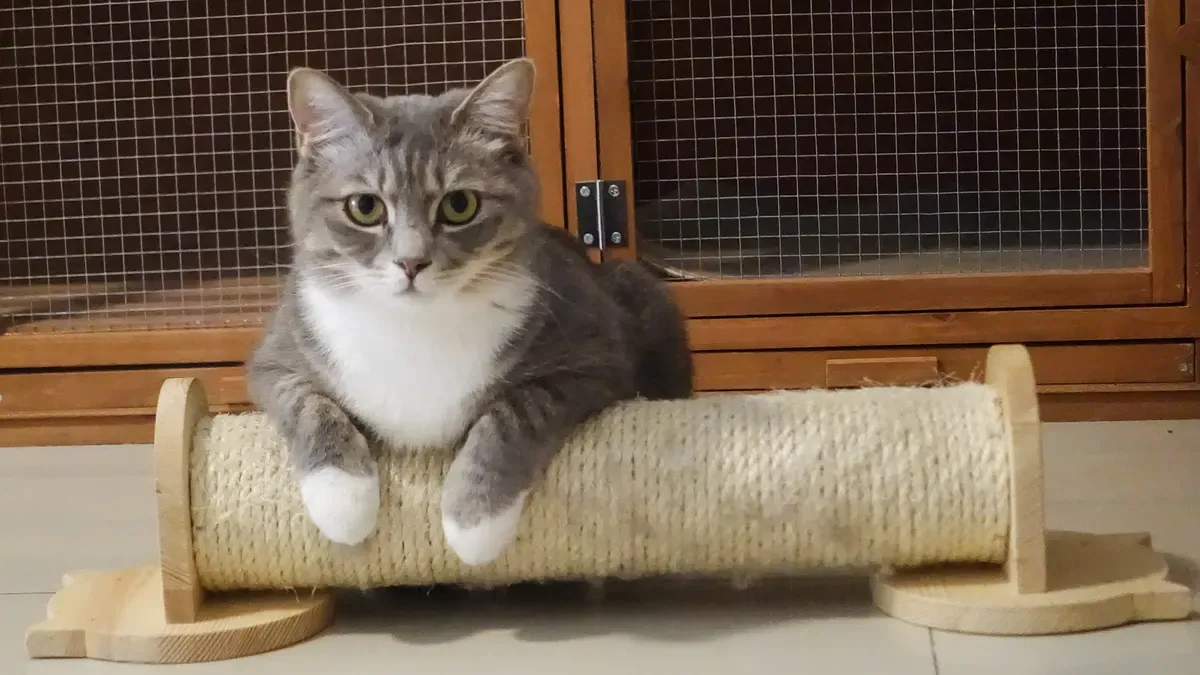
You face a real decision when choosing scratching furniture for your cat. The cardboard cat scratcher vs cat tree comparison comes down to three practical factors: materials, cost, and space. Each option serves different needs in your home.
Materials and Durability
The material composition of your cat's scratcher directly affects how long it lasts. You will find two primary materials on the market today: corrugated cardboard and sisal.
Corrugated cardboard consists of fluted layers pressed and compressed together. Manufacturers shape this material into flat pads, angled inclines, curved loungers, and novelty shapes. Standard corrugated cardboard compresses and breaks down faster than sisal. A flat cardboard pad used daily by an active cat can become fully hollowed out within four to eight weeks. High-density corrugated cardboard performs significantly better. Fluted layers pressed more tightly together last two to three times longer than standard pads. This denser material provides more resistance during use.
Sisal comes from the agave plant. Manufacturers tightly weave this natural fiber into rope or fabric and wrap it around posts, boards, and furniture. A well-constructed, tightly wrapped sisal post withstands years of regular scratching before deteriorating or unraveling. Dense fibers resist full claw penetration and degrade slowly and evenly. A quality sisal post lasts one to three years under normal use.
|
Material |
Composition |
Longevity |
|---|---|---|
|
Corrugated cardboard |
Corrugated cardboard layered and compressed together; shaped into flat pads, angled inclines, curved loungers, novelty shapes |
Wears out faster than sisal, especially for heavy-use cats; needs replacement every 2–4 months |
|
Sisal |
Natural fiber from the agave plant, tightly woven into rope or fabric and wrapped around posts, boards, and furniture |
A quality sisal post lasts 1–3 years under normal use; fiber compresses and wears down gradually rather than shredding apart |
Material grade matters more than material type. The gap between low-density and high-density cardboard is greater than the gap between high-density cardboard and sisal. You should examine the density of any cardboard product before purchase. HOMER offers high-density corrugated cardboard scratchers that outperform standard options.
Cardboard scratch pads work best as stand-alone pads or training tools. They do not function well as a coating for cat tree poles. Multi-cat households may go through cardboard pads weekly. These pads shed paper bits that require regular cleanup. Sisal is generally considered the gold standard for cat furniture. This tough natural fiber frays and breaks under a cat's abuse but holds up longer than other materials. Sisal mimics tree bark while retaining scratch marks to satisfy marking behavior. This material is best suited for coating vertical scratching posts and cat towers. Sisal can look frayed long before needing replacement. In rare cases, ingested fibers can cause a blockage.
Cost and Mess
Your budget and tolerance for cleanup play major roles in this decision. Cardboard scratchers typically cost less upfront. You can purchase a basic cardboard pad for under twenty dollars. Replacement pads cost even less. This low initial investment makes cardboard an attractive entry point for new cat owners.
The long-term cost picture changes with heavy use. A single cat may destroy four to six cardboard pads per year. Multi-cat households may replace pads monthly or even weekly. These repeated purchases add up over time. You should calculate annual replacement costs before committing to cardboard as your primary solution.
Sisal cat furniture requires a larger upfront investment. A quality sisal cat tree may cost one hundred dollars or more. This higher price buys durability. A well-made sisal post lasts one to three years. You replace this furniture far less often than cardboard pads. The cost per year of use often favors sisal for long-term owners.
Mess levels differ significantly between these options. Cardboard scratchers shed paper bits during and after use. These bits scatter across your floor. You must vacuum or sweep regularly to maintain a clean home. Some cats also tear off larger pieces of cardboard. These pieces create additional cleanup work.
Sisal furniture produces minimal mess during normal use. The tightly woven fibers hold together well. Small fiber fragments may appear over time. These fragments are easy to spot and remove. You will not find paper bits scattered across your floors.
Space and Best Use
Your available space shapes which option works best for your home. Cardboard scratchers come in various sizes and shapes. Flat pads fit easily under furniture or in corners. Angled inclines lean against walls. Curved loungers double as resting spots. These compact designs suit apartments and small homes.
Placement flexibility gives cardboard an advantage in tight spaces. You can move a lightweight cardboard scratcher from room to room. This portability helps you find the perfect spot for your cat. HOMER cardboard scratchers feature lightweight designs that make repositioning simple.
Sisal cat furniture occupies more floor space. Cat trees and towers require dedicated areas in your home. These pieces serve multiple functions beyond scratching. Cats climb, perch, and sleep on cat trees. This multifunctional design justifies the space investment for many owners.
Vertical scratching needs favor sisal furniture. Cats naturally scratch vertical surfaces to stretch their full body. A tall sisal post allows this complete stretching motion. Cardboard scratchers typically sit flat on the floor. These horizontal options serve cats that prefer scratching at ground level.
The cardboard cat scratcher vs cat tree choice also depends on your cat's age and activity level. Kittens and senior cats often prefer horizontal scratching. Adult cats with established habits may favor vertical posts. You should observe your cat's natural preferences before purchasing.
Multi-cat homes benefit from having both options available. Different cats may prefer different scratching surfaces. Providing variety reduces competition and territorial stress. You can start with one type and add the other as needed.
When a Cardboard Cat Scratcher Is the Better Choice
You should choose a cardboard scratcher when your cat scratches horizontally. Research from the ScienceDirect McGlone and Zhang study shows cats use cardboard horizontal scratchers significantly more than carpet substrates. Dr. Lauren Demos, AAFP past president, recommends providing at least one horizontal cardboard scratcher alongside vertical posts. This option redirects floor-level scratching without requiring your cat to change posture.
|
Evidence Source |
Key Finding |
|---|---|
|
ScienceDirect McGlone and Zhang study |
Cardboard horizontal scratchers used significantly more than carpet substrate |
|
Dr. Lauren Demos (AAFP past president) |
Recommend at least one horizontal cardboard scratcher alongside vertical posts |
|
Research from Dr. Albright |
Cardboard is an effective second substrate alongside sisal |
|
General research findings |
Horizontal scratching option reduces inappropriate scratching of carpets and floor-level furniture |
Budget-Friendly Options
Cardboard scratchers cost far less than traditional furniture. You can buy a basic pad for under twenty dollars. Replacement pads cost even less. This low entry price lets you test your cat's preferences without a major investment. The cardboard cat scratcher vs cat tree cost gap is substantial for budget-conscious owners.
Easy Placement in Small Spaces
Cardboard scratchers fit into tight areas with ease. The Pet JoJo Cloud Lounge Cat Scratcher measures 28.7 inches long, 11.8 inches wide, and 11 inches high. The Fairela Victorian Style Cat Scratcher Couch measures 23 x 10.6 x 12.5 inches. Both designs slide under standard furniture.
The Pet JoJo scratcher is about 20 percent larger than standard scratchers, large enough to be a real object in the room, but not so large that it becomes a second couch.
Recyclable and Replaceable
Cardboard scratchers are fully recyclable in most municipal programs. You simply replace the worn pad instead of the entire unit. This keeps waste low and maintenance simple. HOMER offers high-density corrugated cardboard scratchers designed for easy replacement.
When Traditional Cat Furniture Is the Better Choice
You should choose traditional cat furniture when your cat scratches vertically. Roughly 60% of cats prefer vertical scratching. These cats rear up on their hind legs and pull down with full-body force. A flat cardboard pad cannot support this motion. The cardboard cat scratcher vs cat tree decision becomes clear when you observe this behavior.
|
Scratching Style |
Where They Scratch |
Recommended Product |
|---|---|---|
|
Vertical stretcher |
Couch arms, door frames, walls |
Tall upright post (32"+) or wall-mounted scratcher |
|
Horizontal scratcher |
Carpet, rugs, flat surfaces |
Flat cardboard scratcher or angled ramp |
|
Both |
A little of everything |
One tall post plus one flat scratcher |
Durable Sisal Posts
Sisal rope offers resistance and grip that vertical scratchers need. Cardboard cannot match this durability. A tall sisal post measuring 28 to 32 inches or more lets your cat fully stretch its body. This full stretch is the core purpose of vertical scratching. Posts shorter than 24 inches are frequently ignored by adult cats. HOMER offers sturdy sisal posts designed for full-body stretching.
Vertical Territory and Climbing
Cats need vertical space to feel secure. A tall cat tree satisfies this need. Feline behaviorists recommend specific minimum heights based on your cat's profile.
|
Cat profile |
Recommended minimum cat tree height |
|---|---|
|
Cats who enjoy perching and climbing |
At least 5 feet |
|
Cats preferring lower perching, or senior cats |
At least 2 feet |
"Every cat may not need a cat tree, but every cat needs vertical space." — Geller
Stability and Long-Term Value
A quality sisal cat tree provides years of use. You replace cardboard pads every few months. A well-built sisal post lasts one to three years. This durability delivers strong long-term value. The upfront cost is higher. The cost per year of use often favors traditional furniture. HOMER builds stable cat furniture that withstands daily scratching and climbing.
How to Choose Based on Your Cat's Habits
Your cat's natural behavior provides the best guide for selecting scratching furniture. You should observe your cat's scratching style before making a purchase. This observation eliminates guesswork from the cardboard cat scratcher vs cat tree decision.
Match the Scratching Angle
Watch where your cat scratches and how its body moves during the behavior. Vertical scratchers let a cat reach up and pull down in a full-body stretch, which many cats prefer. Horizontal and angled scratchers suit cats that rake at carpets and rugs. Because you cannot always predict your cat's style, the safest approach is to provide one of each and see which gets used.
|
Observed Scratching Behavior |
Recommended Scratcher |
|---|---|
|
Scratches vertically (door frames, couch arms, standing upright) |
Sisal or hemp post, tall enough for a full stretch |
|
Scratches horizontally or at a low angle (carpet, floor-level furniture) |
Flat or incline cardboard scratcher |
|
Shreds things apart (pulls fibers off furniture, tears fabric) |
Cardboard — they want the destruction |
|
Slow, deliberate long scratches |
Sisal — they want resistance and stretch |
Consider Your Space
Your home layout determines which scratcher fits best. Small apartments benefit from compact cardboard pads that slide under furniture. Larger homes can accommodate tall cat trees with multiple perching levels. You should measure your available floor space before shopping. HOMER offers options for both small and large living areas.
Balance Budget and Durability
Your budget and long-term plans shape this decision. Cardboard scratchers cost less upfront and require frequent replacement. Sisal furniture costs more initially and lasts for years. You should calculate the annual cost of each option. Heavy scratchers may destroy cardboard pads monthly. A quality sisal post delivers better value for these cats.
Tips for Getting Your Cat to Use the Scratcher
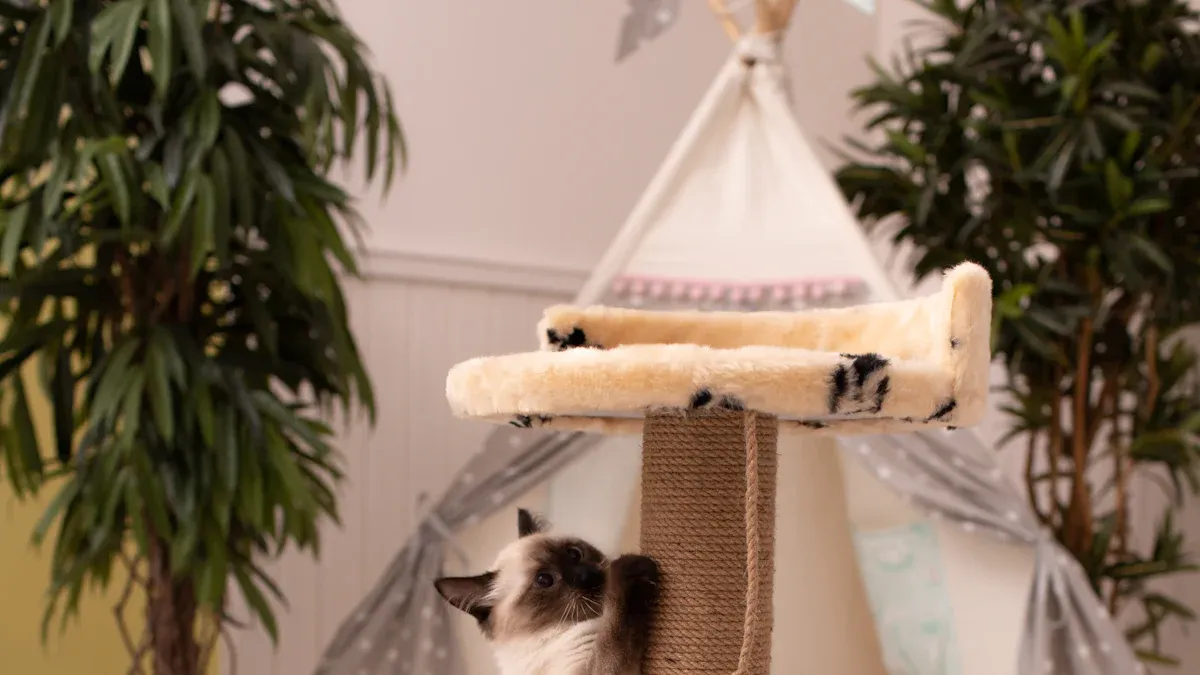
Placement Is Everything
You increase usage by placing scratchers where your cat already spends time. A single location will not work. Multiple spots throughout the home give your cat appropriate outlets. This distribution reduces furniture damage.
Cat scratchers should be distributed in multiple locations throughout the home, rather than in just one spot, so the cat has appropriate scratching outlets and is less likely to scratch furniture.
Place new scratchers near sleeping areas and entryways. Rub the surface with bedding or toys to create a familiar scent. HOMER designs lightweight scratchers you can move easily between rooms.
Use Catnip and Rewards
Approximately 70% of domestic cats respond to catnip. A meta-analysis of experiments since the 1940s places the true rate near 62%. Sprinkle dried catnip on the scratcher to attract attention. Reward your cat with treats or praise immediately after a scratch. This positive association strengthens future use.
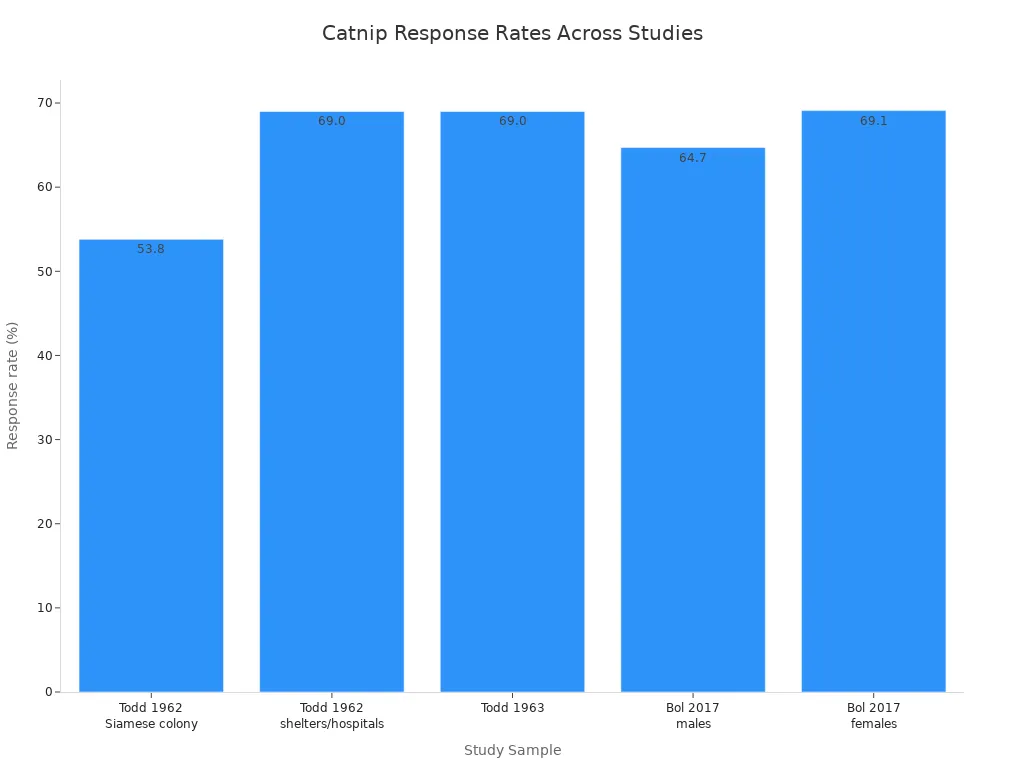
Response varies among individuals. Some cats show no reaction. For those cats, use treats alone to build the habit.
Based on owner answers, 90% of cats of the therapy group and 40% of cats of the control group showed an improvement (p ≤ 0.05).
Feline pheromone products can support training. Pair them with catnip to address unwanted scratching.
Keep Surfaces Fresh
A worn surface loses its grip. Your cat will seek alternatives when the scratcher no longer holds claws. Inspect the scratcher regularly for signs of wear.
|
Condition / practice |
Recommended action |
|---|---|
|
Reversible cardboard pad in use |
Flip the pad regularly |
|
Grooves flatten or pad compacts |
Replace the pad |
|
Cat loses interest even after flipping |
Replace the pad |
|
Scratching shifts back to furniture |
Replace the pad |
Sisal rope can last for years under moderate use. Cardboard may need replacement within months. HOMER cardboard scratchers feature high-density construction. This extends their useful life and keeps your cat engaged.
Final Verdict: Which Is Better for Your Cat?
You now have the information to make a confident choice. The cardboard cat scratcher vs cat tree decision comes down to your cat's specific needs and your household priorities.
Cardboard Wins For
You should choose cardboard when your cat scratches horizontally. Budget-conscious owners benefit from the low upfront cost. Small apartments gain from compact, portable designs. Renters appreciate easy replacement without heavy furniture moves. If your cat destroys surfaces with aggressive shredding, cardboard satisfies that urge at minimal expense. HOMER offers high-density corrugated cardboard scratchers that last longer than standard pads.
Traditional Furniture Wins For
You should choose traditional furniture when your cat scratches vertically. Cats that stretch to full height need tall sisal posts. Multi-cat homes benefit from the durability and territory options. Long-term owners gain better value from furniture that lasts years. If your cat climbs and perches, a cat tree serves multiple purposes beyond scratching.
The Bottom Line
No single answer fits every household. Your cat's scratching angle provides the strongest guide. Start with one option and observe your cat's response. Add the other type if your cat shows interest in both styles. The best scratcher protects your furniture and gets daily use. HOMER provides quality options for both cardboard and traditional scratching furniture.
No single answer fits every cat. Let your cat's scratching style guide your choice. When uncertain, start with a cardboard scratcher. Add traditional pieces as needs become clear. The best scratcher earns daily use and protects your furniture. HOMER offers both options, so you can match your cat's habits with confidence.
FAQ
How long does a cardboard cat scratcher last?
A high-density cardboard scratcher lasts two to four months with daily use. Standard pads wear out faster. HOMER offers durable options that extend replacement intervals.
Can you train a cat to use a scratcher?
Yes. Place the scratcher near your cat's favorite spots. Use catnip and treats to encourage use. Reward every successful scratch immediately.
Is sisal better than cardboard for cats?
Neither material wins universally. Vertical scratchers need sisal for resistance. Horizontal scratchers work best with cardboard. Match the material to your cat's scratching angle.